The Quiet Revolution of Publishing
Why More Independent Publishers Are Choosing Ghost
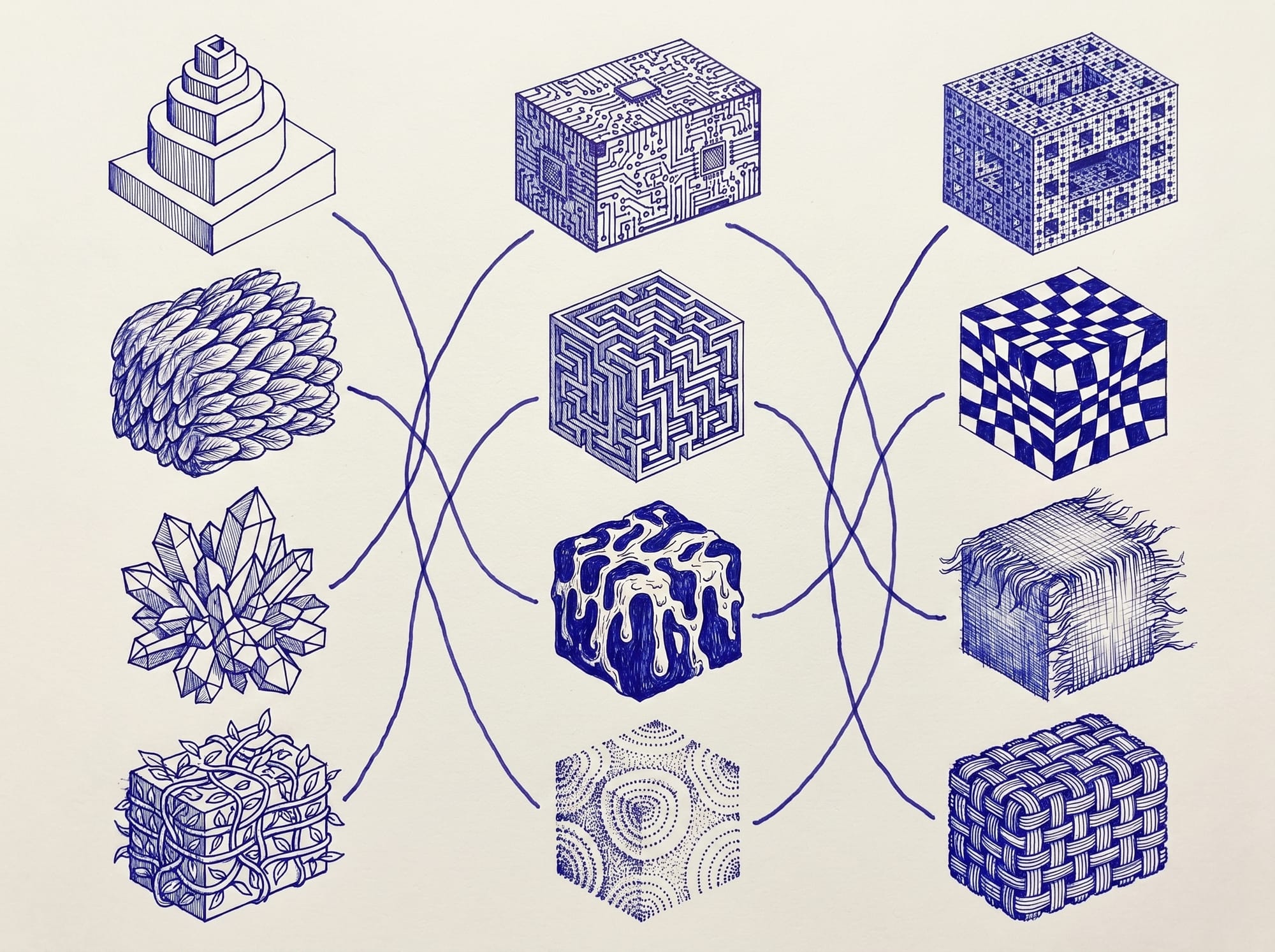
Why Publishers Need Less
There was a time when building a successful digital publication required a complex stack of technology.
The content management system lived in one place. The email platform lived somewhere else. Membership tools operated independently. Analytics, payment infrastructure, and dozens of plugins were gradually connected together, creating systems that became heavier and more difficult to manage as publications grew.
Today, however, something interesting is happening.
Many of the fastest-growing independent publications are moving toward fewer tools, not more.
As digital publishing matures, it has become increasingly clear that technology is not the most important part of the equation. The relationship between a publication and its readers is.
A reader opening an article, subscribing to a newsletter, and looking forward to the next issue remains at the heart of publishing. What has changed is how that relationship is built.
One of the platforms at the center of this shift is Ghost.
The rise of Ghost is more than a technical success story. It reflects a broader transformation in the way publishers are reconnecting with the internet.
A Simpler Idea of Publishing
Much of Ghost's appeal cannot be found on a feature list.
The real difference lies in what it chooses not to do.
Rather than relying on elaborate admin panels, endless plugins, and increasingly complex workflows, Ghost focuses on a single purpose: publishing.
As a result, many independent magazines, content studios, and modern media brands are able to spend less time managing technology and more time telling stories.
In many ways, Ghost feels like a version of digital publishing stripped of unnecessary noise.
The Quiet Power of Design
The best publications rarely shout.
Instead of demanding attention, they create an environment that encourages readers to stay.
That may explain why a different design philosophy has emerged in recent years: cleaner typography, calmer layouts, longer reading experiences, and fewer distractions.
Among independent publishers, this approach has found a particularly strong audience.
Because design is never merely aesthetic. It is an editorial decision.
It shapes how stories are read, how brands are perceived, and how communities form around ideas.
This is where creative studios working within the Ghost ecosystem have begun to stand out.
Studio Mitsun is one of them.
Through its premium Ghost themes, Studio Mitsun is doing more than creating visual identities. The studio helps publishers present their content with greater clarity, confidence, and focus.
Its work resonates particularly well with independent media brands, modern newsletters, and digital magazines that value both performance and editorial integrity.
After all, the best design is often invisible.
The reader notices the story, not the interface.
A Direct Relationship with Readers
In the early days of the web, publishers had a direct connection with their audience.
Then platforms arrived.
Then algorithms followed.
Today, many publishers are searching for ways to reclaim that direct relationship.
This is one reason newsletters, membership programs, and community-driven publishing models have become increasingly important.
Ghost was built with this shift in mind.
Readers are treated not as traffic numbers, but as members of a genuine community.
That distinction changes not only the economics of publishing, but its culture as well.
The Future of Publishing May Look Slower
As the digital world accelerates, an interesting paradox is emerging.
The most influential publications often appear to move more slowly.
They publish less.
They write more carefully.
They produce stories with a longer lifespan.
And they make technology almost invisible in the process.
Perhaps that is the real reason behind Ghost's growing appeal.
The platform allows publishers to spend less time thinking about technology and more time thinking about publishing.
When paired with the work of design-focused studios such as Studio Mitsun, the result is not simply a fast website.
It is a publication with a distinct voice.
A publication designed not merely to be read, but to be followed.
The future of digital publishing may not be more complex.
It may be simpler.
More direct.
And a little closer to the reader.